

Learn more about the benefits of driving an EV:
-
EVs have zero emissions, making them healthier for the people around them and the environment.
-
Electric vehicles reduce our reliance on petroleum and the countries from which we import them.
-
Quieter engines mean less noise pollution.
-
EVs have the ability to both use electricity and send power back to the grid.
Want toKnow more?
There are also currently federal vehicle and home charger tax breaks as well as local rebates available for qualified purchases.
How toCharge
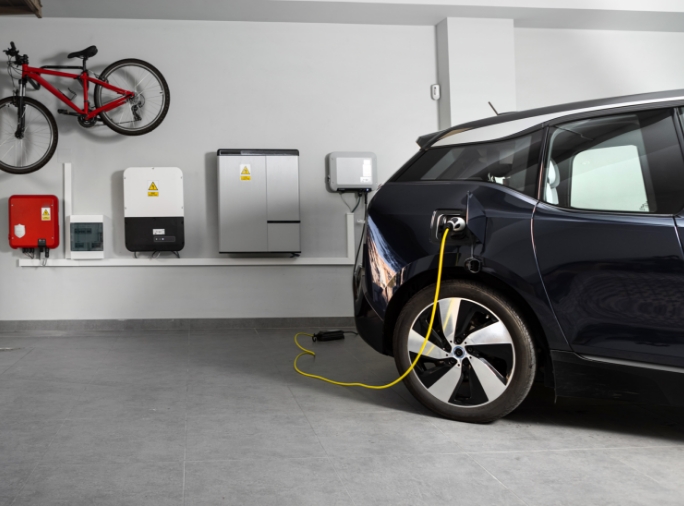
In North Carolina, there are about 600 public charging stations and over 1,250 total you might plug into, including 4 chargers at EU locations as well as 2 other chargers at 2 locations in our territory. And we plan to install more. (Click on the button at or bottom of this page to find a charging station near you.)
There are three types of charging options available for EVs.
Level 1 Charger
Level 2 Charger
DC Fast Charger
All vehicles come with an adapter to plug into a standard 120-volt outlet, known as Level 1 charging. This level provides the slowest charge, around 3 to 5 electric miles per hour of charge. Charging your car overnight can provide adequate mileage for an average commute.
Level 2 chargers are three times faster than Level 1 chargers and are commonly found in public locations like shopping centers, downtown areas and workplaces. The stations can be installed at home if a 240-volt outlet is available. See one of our favorites, the ChargePoint Home Flex Model.
DC Fast Charge stations provide a very fast charge. These stations can charge a depleted electric vehicle’s battery in under 30 minutes. DC Fast Charge stations are usually located in high-traffic public areas such as gas stations and busy shopping centers.
