


Connect
February 2026

ConnectFeb'26
Connect
February
‘26
In this issue:

A NEW RATE FOR YOU BEGINNING APRIL 2026
At EnergyUnited, our commitment has always been to deliver power that is reliable, affordable and sustainable, today and for the future. As part of that commitment, we will be introducing a new rate structure designed to help our members prepare for an evolving energy future.
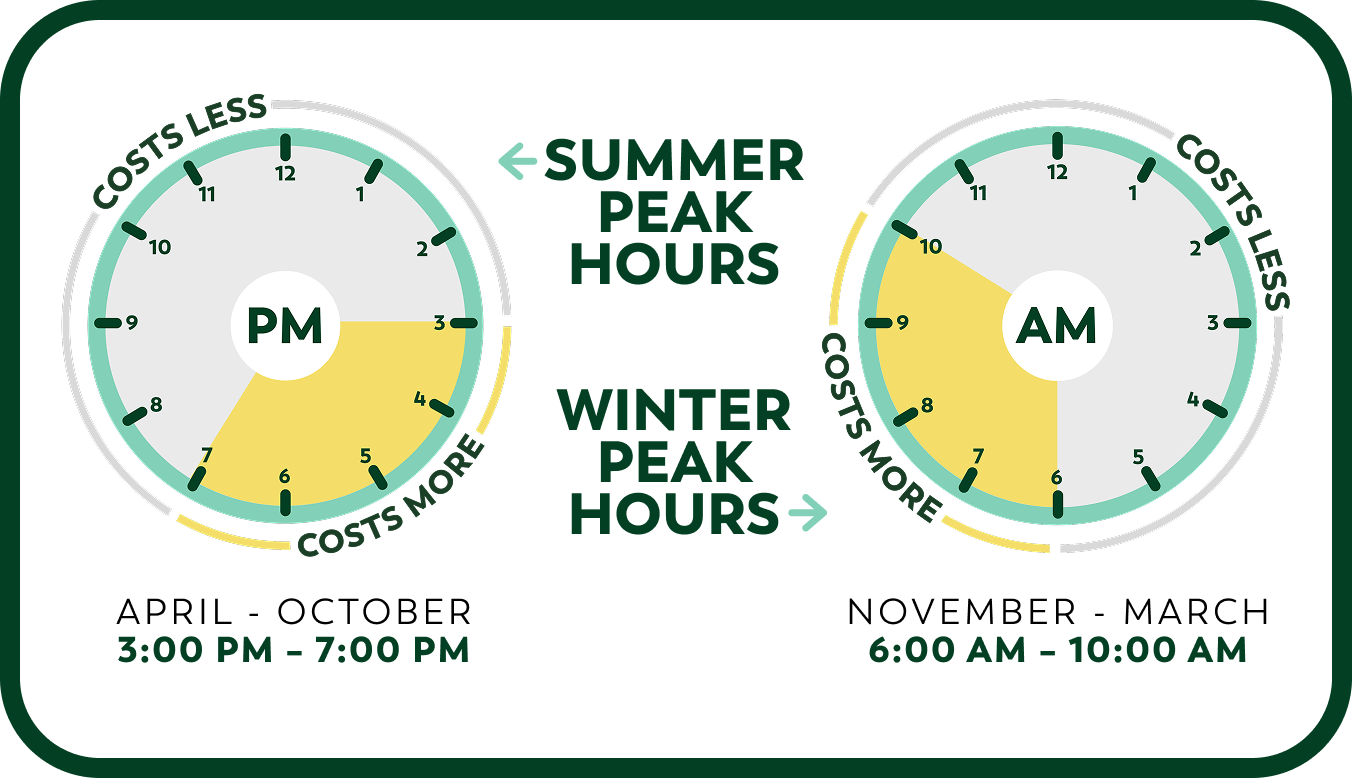
Beginning in April 2026, this new rate structure will focus less on how much energy you use and more on when you use it, with the changes first appearing on your May 2026 bill. This new rate gives you direct control of your power bill. You will continue to have access to all the electricity you need, but at a significantly reduced rate outside peak demand hours—the 20 hours each day when energy is the least expensive. During the other four hours of the day, electricity will cost more to reflect the higher cost of delivering power during those periods. Designed with you in mind, the new rate offers more flexibility to use energy in the way that works best for you.
The best part is that you choose what feels right for your home and your lifestyle. This rate gives you the freedom and flexibility to manage your energy in the way that serves you best.
In this edition of Connect, we’ll guide you through:
- Why your bill is changing
- How you can take advantage of the new rate structure with tips, tools and resources that help you manage your usage effectively
Thank you for your trust, partnership and engagement as we continue to strengthen our grid and power our communities forward. Together, we’re preparing for an energy future that is smarter, more resilient and designed to benefit every member we serve. We also have a portion of our website dedicated to this information, complete with a bill calculator, FAQs and other helpful resources. You can find that at EnergyUnited.com/rates or by scanning the QR code below. If you have any questions, please don’t hesitate to reach out.
Warm regards,
Thomas Golden, CEO
The new rate structure provides greater opportunities to save by managing how and when you use electricity. This new rate also supports EnergyUnited’s efforts to deliver safe, reliable, affordable and sustainable energy now and in the future.
Here’s what’s included:
$50
(No Change)
Grid Access Fee
A fixed charge that covers the cost of maintaining lines, poles, substations and other infrastructure that delivers electricity to your home.
4.87¢
per kWh
(Reduced ~35%)
Usage Charge
A reduction of approximately 35%. This charge is based on how much electricity you use.
$4.40
per kW
(New)*
Peak Demand Charge
A new part of your bill that puts you in direct control of managing your energy costs.
The new component of your bill, called “Peak Demand,” can help you better manage monthly costs. This charge is based on the highest amount of electricity you use at one time, measured in 15-minute intervals during designated peak demand hours each billing period.
Peak demand hours are the times of day when members use the most electricity. During off-peak hours, members can continue using as much electricity as they need at a highly reduced rate. Only a few hours each day may require closer attention.
The electric grid is like an interstate. The cars on the highway are like the electricity that flows through our grid.
For most of the day, demand for electricity is stable, and traffic on the interstate flows freely. Some lanes aren’t even used. But, for just a few hours a day, rush hour traffic clogs up the interstate. The transportation department has to build and maintain extra lanes to accommodate that traffic, at great cost to the public.

The power grid works the same way. It must be able to handle the strain that peak demand hours put on the system every day.
These peaks come at a great cost to our system. That means if we can lower these peaks by spreading our electric use throughout the day, the co-op can save money, which saves you money.
Our new rate is designed to ease congestion on the electric grid while giving our members more control over their energy costs. By encouraging energy use during times of lower demand, this rate helps spread usage more evenly, reducing strain on the grid when it’s busiest.
In return, members can take advantage of lower costs during off-peak hours and find new opportunities to save on their monthly electric bill. As a not-for-profit electric cooperative, we’re committed to supporting you through this transition with clear information, practical tools and guidance every step of the way.
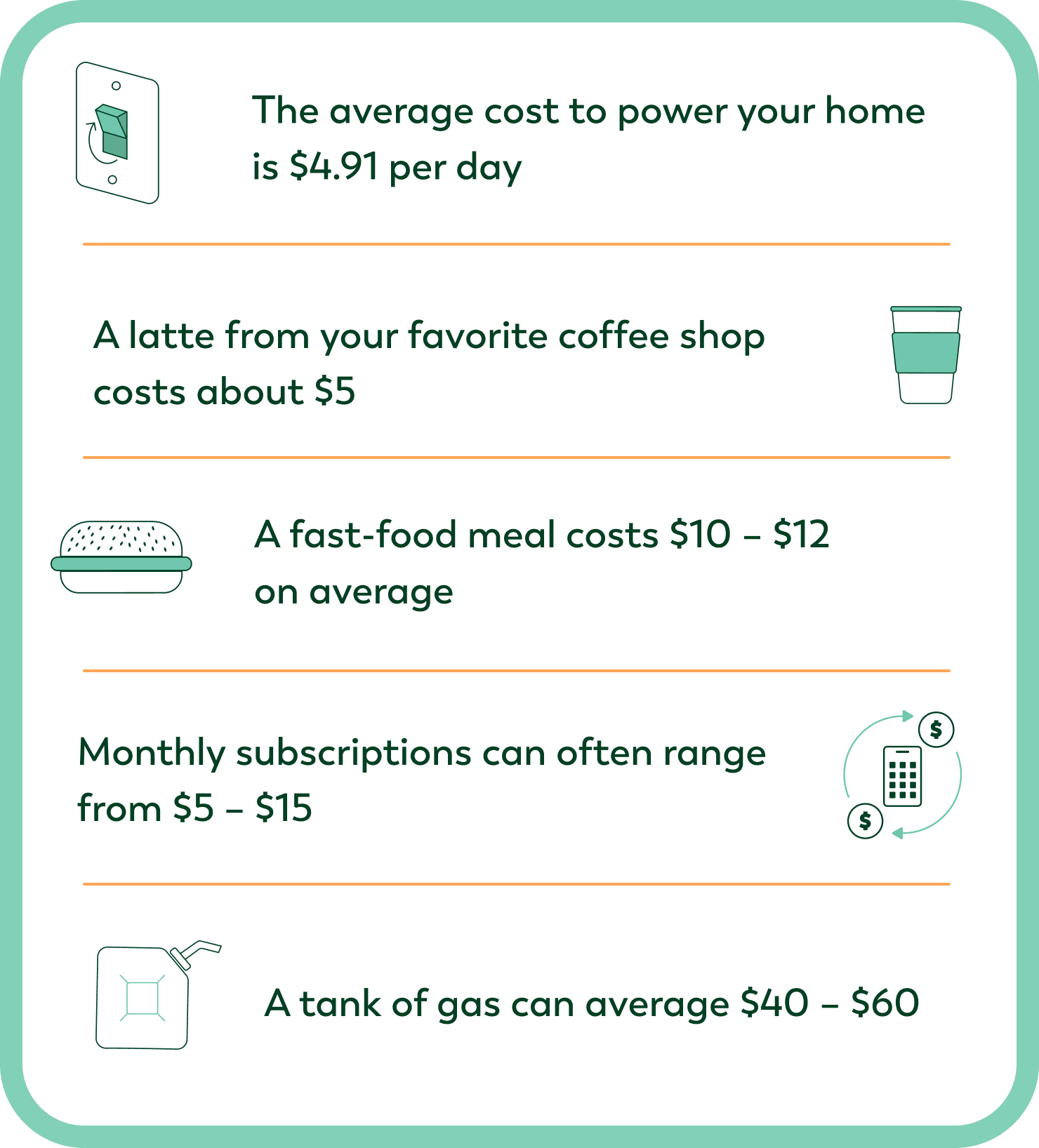
As an EnergyUnited member, you already benefit from some of the lowest rates in North Carolina, combined with reliable service. When you think about everyday expenses, costs can add up quickly—a tank of gas here, a cup of coffee there or dining out. By comparison, the cost of energy for an EnergyUnited residential member averages about $4.91 per day. That’s a remarkable value for a powerful tool that plays such a big role in everyday life.
We’re here to help you understand and manage your bill. Visit EnergyUnited.com/rates to access more resources.
- Bill calculator
- FAQs and energy-saving tips
- Educational videos


Reliable electricity is something you count on all day, every day. That’s why we’re making strategic grid improvements this year to deliver safe, dependable power now and into the future. These upgrades will help reduce outages, speed up power restoration and make the grid smarter and more efficient.
Expanding Automation
New grid technology is improving how outages are detected and restored. This year we are installing additional automatic feeder restoration devices that will:
- Detect system problems as soon as they occur
- Limit outages to smaller areas
- Restore power automatically to as many members as possible
The result? Shorter outages and quicker response times, especially during storms or unexpected equipment issues.
Keeping Power Flowing During Peak Demand
These improvements also help ensure reliable energy during peak demand hours.
Peak demand happens when most members are using power at the same time. On select circuits, these improvements help:
- Reduce stress on the electric system
- Improve reliability when demand is highest
This means that whether you are using a lot or a little power during peak demand hours, the grid will always be there to meet the need.
Every improvement we make is designed with our members in mind. A smarter, more resilient grid ensures you are continuing to receive the reliable, affordable energy you need each day. Our members can feel confident that the power they rely on will be there when they need it most.
The new rate structure provides greater opportunities to save by managing when and how you use electricity. Beginning in April, a new component of your bill, called “Peak Demand,” can help you better manage monthly costs. This charge is based on the highest amount of electricity you use at one time, measured in 15-minute intervals during designated peak demand hours each billing period.
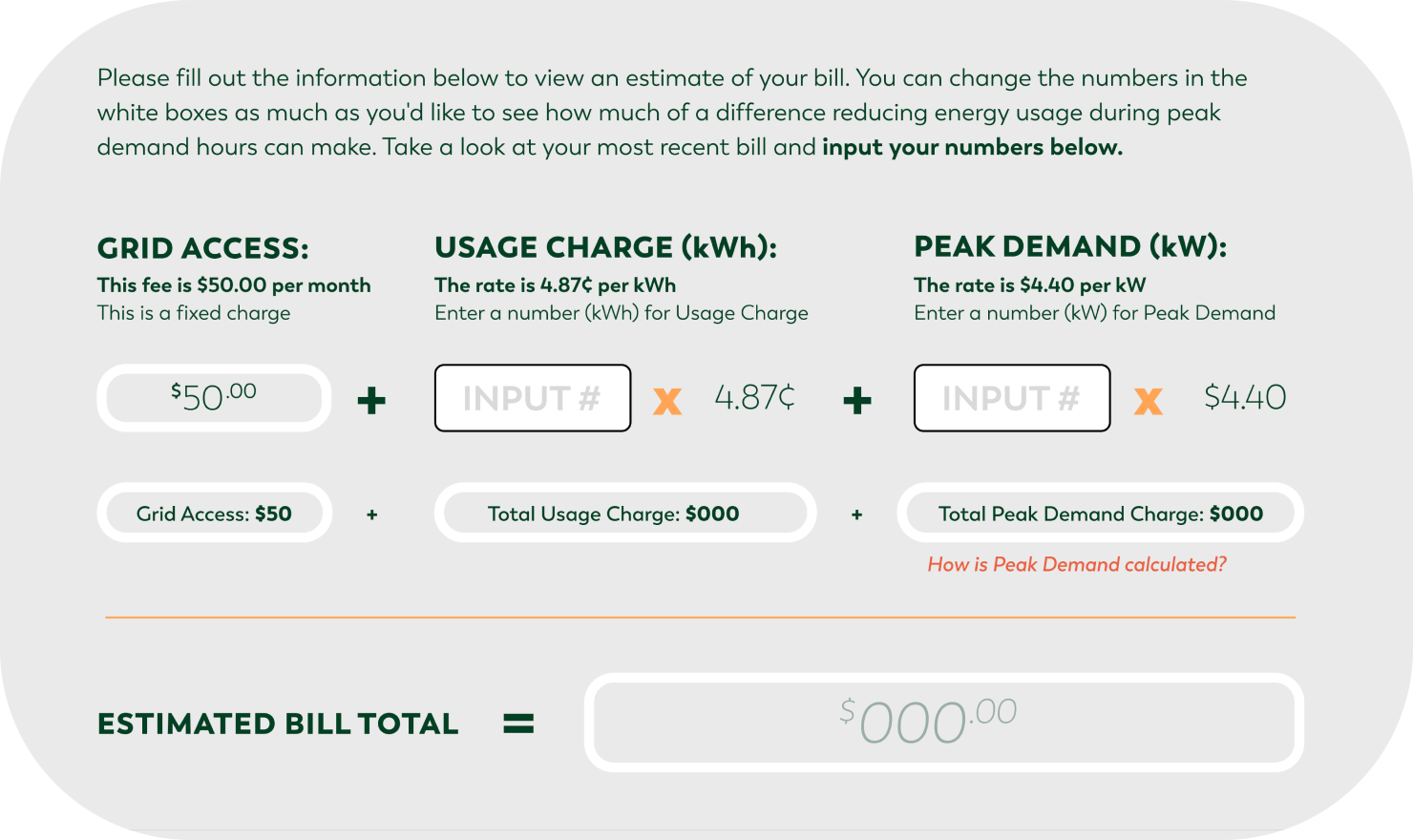
Members can estimate their bill using the bill calculator available at EnergyUnited.com/rates. This tool is designed to help you better understand how your energy usage and peak demand may impact your bill.
To use the bill calculator, you’ll need a few pieces of information that are already available to you on your bill or through My EnergyHub.
How to Find the Information You Need
Review your bill or log in to My EnergyHub—available online or through the free My EnergyHub mobile app—to see your energy usage details. Here you will find:
- Your monthly energy usage (kWh)
- Your peak demand (kW)
When using the bill calculator, simply enter your monthly energy usage and peak demand. Once entered, the calculator will provide an estimated bill amount based on the current rate structure.
Your Step-by-step Efficiency GuideWith warmer weather right around the corner, there’s never been a better time to check where your home may be leaking energy (and money). These simple checks can help!
Adjust your Thermostat: Revisit your settings each season to ensure you are staying efficient.
Water Heater Settings: Some water heaters are factory set to 140 degrees, but most households only need 120 degrees.
Seal Leaks: Air leaks can waste 10–20% of your home’s energy each year. Check baseboards, floor edges and wall-to-ceiling joints. Use caulk for gaps around windows, doors and baseboards and add weatherstripping where appropriate.
EnergyUnited has created multiple ways to help you learn more about your new rate structure. Remember: pay less off-peak, pay more on-peak.
Here’s how you can prepare:


Thank you for being a valued member of EnergyUnited. Together, we’re building a stronger, more reliable and more sustainable energy future.
To better understand the new rate and manage costs, we recommend taking a look at your usage breakdown in My EnergyHub. This online tool provides insights on your hourly energy usage and how you can better adjust your energy spending.
Back to Top

